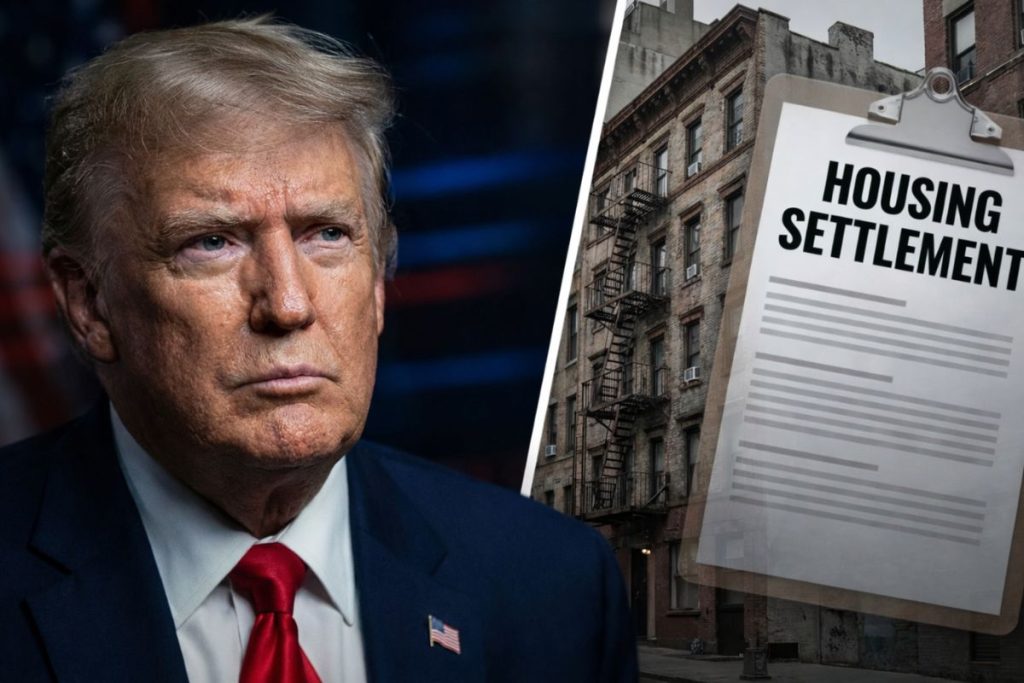
New York City has reached an $2.1 million settlement in the area of housing in partnership with A and E Real Estate, forcing the landlord to fix hundreds of long-standing violations to the building code and stop harassment of tenants across fourteen residential buildings situated in Brooklyn, Manhattan, and Queens.
The announcement was made in The Mamdani Administration the settlement is being presented as an important enforcement move that directly connects housing quality with environment safety and health and tenant safety. Although the settlement is legally binding however, the consequences are incredibly personal for the estimated of 750 tenants who lived for a long time in unsafe, unhealthy living conditions. The deal is a reflection of a wider change in the way cities view enforcement of housing laws: not just as a legal obligation and not as an effective public health initiative with long-term social as well as economic consequences.
What the Settlement Requires
According to the settlement agreement, A and E Real Estate is legally bound to fix more than 4,000 unresolved violations of the housing code throughout its properties. This includes environmental, structural and habitability issues that have been accumulating over a number of years.
Importantly, the agreement puts an owner under constant supervision by the court. The city has the power to intervene when deadlines are not met or if repairs do not conform to the standards required. If the non-compliance continues further penalties and enforcement actions could be in place.
City officials said more than 1,000 violations had been already sorted out through the litigation and the stress of legal action has accelerated the completion of certain repairs. But the city was required to pay almost $488,000 for urgent fixes–costs that were incurred due to unsafe conditions could pose immediate dangers for tenants’ health and security.
Overview of the Housing Settlement
| Key Aspect | Details |
| Settlement Amount | $2.1 million |
| Landlord | A and E Real Estate |
| City Administration | Mamdani Administration |
| Properties Affected | 14 buildings |
| Locations | Brooklyn, Manhattan, Queens |
| Tenants Impacted | There are 750 residents in the area. |
| Total Violations Cited | 4,000+ |
| Violations Already Fixed | 1,000+ |
| Emergency Repairs by City | $488,000 |
| Oversight | Compliance monitored by the court |
| Core Focus | Security of tenants, safety in the housing market public health, tenant protection |
| Official Website | https://www.un.org/en |
Living Conditions that Prompted the Lawsuit
Based on tenants’ complainants, inspectors of housing and court documents residents suffered for years from deteriorating conditions that went above the normal maintenance concerns.
Some of the reported issues were:
- A persistent and chronic mold problem as well as dampness
- Inadequate or inconsistent temperature and hot water
- Unreliable or broken elevators often out of service for months
- Walls and ceilings that are crumbling
- Pest infestations, such as rodents and termites
For many of the residents, these issues were not just temporary inconveniences, but the long-term reality that affected daily living. Tenants of old age struggled with the stairs after elevators stopped working. Families with kids worried about the possibility of catching respiratory diseases caused by exposure to mold. Certain residents have reported that they avoid certain rooms in their apartment due to the possibility of leaks and structural damages.
The Public Health Dimension of Housing Neglect
City officials have stressed they believe the agreement is more concerned with general health in the same way as housing law enforcement.
Medical research consistently demonstrates that poor living conditions with adverse health outcomes. According to the Centers for Disease Control and Prevention has established that exposure to humid indoor environments can increase the risk of developing asthma and respiratory infections, as well as allergic reactions, as well as skin conditions.
The cold indoor temperatures that are often caused by damaged or malfunctioning heating systems, are additionally associated with an increase in breathing and cardiovascular strain. Studies have shown that temperatures lower than mid-60s Fahrenheit could dramatically increase health risks particularly for elderly people, children and those suffering from chronic illnesses.
From the perspective of public health, the settlement serves as a preventive measure that reduces the incidence of illness, hospital visits, as well as long-term health expenses.
Understanding the Scale of the Violations
The number of violations reported–more than 4,000–signals that the problem is more widespread than individual mistakes in maintenance. Housing inspectors discovered signs of decay in the structure, water damage and insects that went untreated for a long time.
Experts have noted that these issues tend to be connected. Water leaks encourage mold growth. The damp environment attracts pests. The damage caused by termites compromises structural strength, which results in ceiling collapses as well as wall cracks. In time, what began as a minor issue for repair could become a major risk to your safety. In real terms tenants were living in areas that regular neglect led to an ongoing risk.
Why Rent-Stabilized Tenants Are Especially Vulnerable
The majority of the affected housing units can be rent-stabilized which means that residents usually pay rents below market rates but have limited mobility in their housing. For moderate and low-income households, moving home is typically financially unattainable, even if the living conditions get worse.
This creates an imbalance in power. Tenants might be afraid of retaliation, intimidation, or lease problems in the event of a complaint. The settlement specifically deals with this issue by requiring A and E Real Estate to stop harassing tenants and reaffirming the city’s belief that intimidation will not be tolerated. Housing advocates say that such enforcement actions are crucial because rent-stabilized tenants typically have limited options.
Housing as an Environmental Justice Issue
Health experts from the public sector increasingly frame the issue of quality of housing to be concern for environmental justice issue. Buildings that are poorly maintained are more likely to be affected by inefficient heat, high humidity and poor indoor air quality – all of which have a direct impact on low-income communities.
The World Health Organization has always emphasized the importance of improving the conditions of housing can help lower the risk of illness, improve mental health and help achieve more general sustainable goals for the environment.
In this sense the settlement ties the enforcement of housing laws with the resilience of climate and environmental health and reinforces the notion that a safe and secure housing environment is essential for the health of the community.
The Mamdani Administration’s Broader Housing Strategy
The Mayor Zohran Mamdani has explained the settlement as an element of a wider strategy to make sure that accountability is restored on the part of homeowners. City officials have stated that similar enforcement actions are likely to be pursued, especially against landlords who have a history of disregard.
Instead of relying on fines instead, the administration has focused on the need for court-supervised compliance by ensuring that repairs aren’t just a promise but actually completed and maintained.
While the settlement won’t solve the city’s overall housing problem, it sets the precedent that the repeated neglect of a property will be treated as a serious crime that could have legal, financial, as well as reputational risks.
Implications for Tenants
For tenants of the affected buildings, the settlement will provide tangible relief:
- Repairs required for long-standing hazards
- Protection against harassment and Retaliation
- Monitoring on a regular basis to ensure conformity
Additionally, it signals it is possible that tenants’ complaints if recorded and analyzed in a group will lead to meaningful changes.
Tenant advocacy groups have said that this could encourage tenants living in other properties to file complaints and demand enforcement instead of simply living in unsafe conditions.
Implications for Landlords
For homeowners the agreement serves as a reminder. Neglect for a long time can lead to:
- Important financial penalties
- Court-mandated oversight
- Reputational and public scrutiny
The case highlights that compliance isn’t an option and that delaying repairs could end up costing more than addressing issues earlier.
Why This Case Matters Beyond New York
Although it’s a local matter however, the settlement is a reflection of an overall trend. The cities across the United States are grappling with the deterioration of housing stock, rising rents and the growing realization that the quality of housing directly impacts the public health outcomes.
In defining the enforcement of housing as a health-related measure, New York City is setting a model for other cities to follow, particularly in the context of healthcare systems being stretched under an environmental illness that is preventable. circumstances.
The $2.1 million settlement negotiated from the Mamdani administration is more than a legal win. It demonstrates a fundamental principle: safe housing is not a luxury; it is it is a health issue for the entire population.
For tenants, it guarantees more secure living conditions as well as a sense of dignity. For landlords, it establishes clear accountability. In the case of policymakers, it demonstrates the ways that health, housing and environmental policy interact with the intention of influencing daily life.
FAQ’s
Q1. What does the $2.1 million settlement require the landlord to do?
The settlement demands A and E Real Estate to correct over 4000 housing code violations as well as stop harassing tenants and follow court-monitored repairs timeframes.
Q2. How does poor housing affect public health?
Unsafe conditions in housing like dampness, mold, or insufficient heat can contribute to the respiratory illnesses, stress on the cardiovascular system and increased health risk for those in vulnerable groups.
Q3. Will this settlement affect housing enforcement elsewhere?
Although it’s the case is unique for New York City, the case establishes a precedent that could influence other cities’ take on housing inequities as a health and environmental concern.